
একটি গাড়ি পাল বা রানওয়ে ছাড়াই উঠে
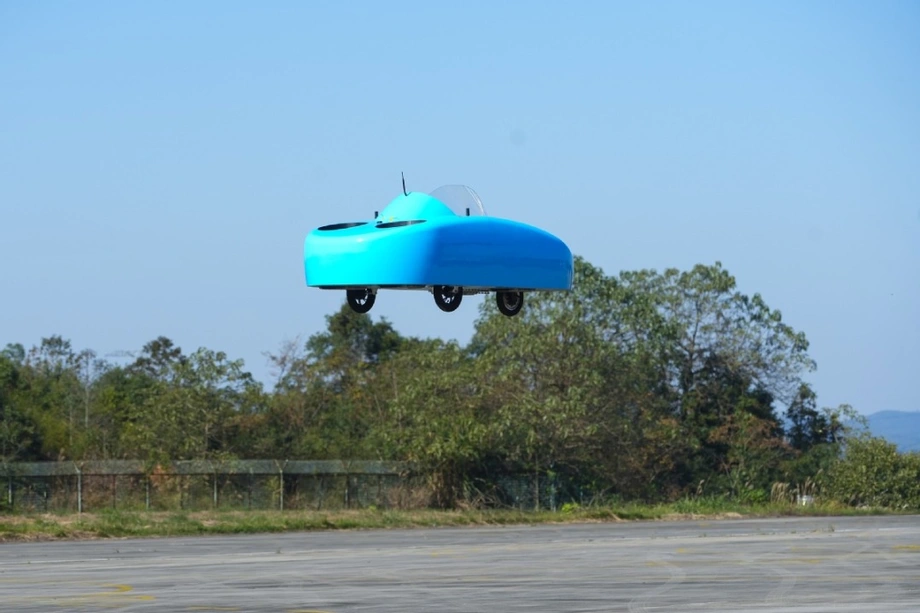
২০২৬ সালের ২১ নভেম্বর শনিবারে, চাংশা জেলার হুনানে অবস্থিত কাইহুই অফিশে একটি সাধারণ বিমান প্রযুক্তি অফিসে একটি সীটসহ নীল বিমান উপরের দিকে নির্দিষ্টভাবে উঠে, পাল বা রানওয়ে বা কোনো সরাসরি উদ্ভাবিত প্রোপেলার ছাড়া। প্রোটোটাইপটি উপস্থিত থেকে অবস্থান বদলায় এবং একটি ছোট প্রদর্শনে নেমে আসে। এর উন্নয়নকারী, জিংওই চুওজ মানফ্যাকচারিং (শেনজেন) কোম্পানি লিমিটেড, বলে, এই গাড়ি উত্তরণের পরেও রাস্তায় চালাতে পারে।
সূচিপত্র
- একটি গাড়ি পাল বা রানওয়ে ছাড়াই উঠে
- What the prototype is designed to do
- How three layers of hidden fans provide lift
- Ten years and four complete iterations
- Why rescue work comes before private commuting
- Certification, larger cabins and production targets
- Why Hunan wants to build the aircraft
- Why the Tesla Roadster comparison is misleading
- A different technical route from other Chinese flying cars
- The next tests and the missing dates
- The Essentials
বিমানটির সর্বোচ্চ উত্তরণের ওজন ২৮০ কেজি এবং উল্লেখিত বহনক্ষমতা ১২০ কেজি। জিংওই একে বিশ্বের প্রথম পিলট বিমান প্রোটোটাইপ বলে যা মাল্টিস্টেজ ভেকটর ডাক্টেড ফ্যান ট্র্যাকশন ব্যবস্থা ব্যবহার করে। প্রদর্শন থেকে রিলিজ হওয়া দৃশ্যে দেখানো হয়েছে, গাড়ি দূরবর্তী নিয়ন্ত্রণে চালানো হয় এবং প্রায় সঙ্গে উত্তরণ করে, প্রচলিত বিমানের মতো জমি ধরে ত্বরান্বিত না করে।
পরের দিন, প্রোটোটাইপটি হুনানের ইয়িয়াংয় একটি সিভ? civil uncrewed aircraft test base? বিমান পরীক্ষা কেন্দ্রে নেওয়া হয়েছিল এবং বেশ কয়েকটি পরিস্থিতিতে পরীক্ষা করা হয়। অনলাইনে দৃশ্য দ্রুত ছড়িয়ে পড়ে, শু? Xu Feihong, China's ambassador to India? একটি X-তে পোস্টের সাহায্যে। প্রেক্ষাপট? Viewers? দর্শকরা অসাধারণ গাড়িকে গ্রান্ড থেফ্ট অ্যাপ? চুরি, হ্যারি পটারের উড়ন্ত গাড়ি এবং ডোরায়েমের গ্যাজেটের সঙ্গে তুলনা করেছেন। অন্যরা হাসলেন, পালকাম না গাড়ি GTA 7 এর আগে এসে গেছে।
What the prototype is designed to do
জিংওই-এর বিস্তারিত প্রযুক্তিগত বর্ণনা থেকে সর্বোচ্চ উড়ন্ত গতি ১৫০ কিলোমিটার প্রতি ঘণ্টা, আর একটি প্রকাশিত ডিজাইন চিত্র ১৮০ কিলোমিটার প্রতি ঘণ্টা। জমিতে সর্বোচ্চ গতি ৮০ কিলোমিটার প্রতি ঘণ্টা। উল্লেখিত রেঞ্জ ৩০০ কিলোমিটার, ডিজাইনসহ সর্বোচ্চ উচ্চতা ৩,০০০ মিটার এবং সাধারণভাবে পরিচালনাধীন উচ্চতা প্রায় ১০০ মিটার।
জ্বালানি এবং বিদ্যুৎ যুক্ত একটি হাইব্রিড বিদ্যুৎ ব্যবস্থা বিমান চালায়। কোম্পানির প্রযুক্তিবিদ? Yang Yang, বলে, এটি দুই থেকে তিন ঘণ্টা উড়তে পারে। তিনি ব্যাখ্যা করেন, ব্যাটারির উপর নির্ভরশীল বেশ কিছু বিমান নিম্ন উচ্চতায় ১০ থে ২০ মিনিট গতি দিতে পারে। অফিশের প্রদর্শন ছোট ছিল, তাই রেঞ্জ, সহনশীলতা, গতি ও উচ্চতা উল্লেখ করা হয়েছে ডিজাইনের জন্য কোম্পানির বৈশিষ্ট্য, রিলিজ ভিডিওতে কখনো কভার? না।
গাড়িটি আয়তন প্রায় একটি সাধারণ পার্কিং স্পেস। এই কম সীমাবদ্ধতাই যেখানে গাড়ি পার্ক করা থাকে সেখানে উত্তরণের ধারণা, রানওয়ে বা বড় ল্যান্ডিং ফিল্ড লাগে না। এর ১২০ কেজি বহনক্ষমতা মোট ২৮০ কেজির সর্বোচ্চ উত্তরণের ওজনের প্রায় ৪৩ শতাংশ। তবে শেষ মান গাড়িসহ এর নিজেই বোঝানো হয়েছে।
How three layers of hidden fans provide lift
একটি ডাক্টেড ফ্যান হলো টিউব বা শাউডের মধ্যে থাকা একটি ফ্যান। এই আবরণ জলকে পথনির্দেশ করে এবং ব্লেডকে শরীরের ভেতরে রাখে। জিংওই-এর ডিজাইন প্রতিটি ডাক্টেমাংতে তিনটি ফ্যান স্টেজ সাজায়, যার মাধ্যমে সিস্টেম ডাক্টের এলাকা বড় না করেই ট্র্যাক তৈরি করতে পারে। ফ্যানরা সরাসরি নিচের দিকে বাতাস ঠেলে উপরে উঠার জন্য প্রয়োজনীয় উপরে উঠার শক্তি তৈরি করে।
ট্র্যাক ভেক্টরিং মানে ঠান্ড? push? নেওয়ার দিক বদলানো। ট্র্যাক নেওয়া যায়, বিমানটি উপরে উঠতে পারে এবং আপতন পরিবর্তন করতে পারে, যা উদ্ভাবিত রোটরদের গতির পার্থক্যের উপর নির্ভর না করে। এর মাধ্যমে বোঝায়, প্রোটোটাইপটি কীভাবে গাড়ির মতো দেখায় যার কোনো প্রকাশ্য উড়ন্ত উপায় নেই, সময়মতো হেলিকপ্টারের মতো আচরণ করে।
কোম্পানির পরীক্ষায় Yang-এর মতে একটি ডাক্টেমাং ফ্যান ইউনিট থেকে প্রায় ৫০ কেজি ট্র্যাক তৈরি হয়েছিল, যার ওজন প্রায় ৫ কেজি। এটি ইউনিটের নিজ ওজনের ১০ গুণ। এই চিত্রটি পরীক্ষিত ফ্যান ইউনিটের কথা বলে, সম্পূর্ণ গাড়িকে উত্তরণ করতে হলে ট্র্যাকশন ব্যবস্থা সম্পূর্ণ উত্তরণের ওজন সমর্থন করতে হয়।
Yang বলেন, সব ঘূর্ণায়মান অংশ আবরণে রাখলে সরাসরি উদ্ভাবিত রোটর আঘাতের ঝুঁকি দূর হয় এবং পরীক্ষাদারদের বিমান কাছাকাছি কাজ করতে পারে। তিনি বলেন, ডাক্টগুলো খোলা মাল্টিরোটার ডিজাইনের তুলনায় আরও কম প্রভাব কমায়। কোম্পানির পক্ষ থেকে নৌ-চালিত? cruising? এবং কম শব্দায়ন, কম শক্তি ব্যবহারের দাবি। স্বতন্ত্র পরীক্ষা শব্দায়ন, বাতাস প্রতিরোধ এবং শক্তি ব্যবহার রিলিজ না করে রাখা হয়েছে।
Ten years and four complete iterations
চাংশায় ঘটে একটি ছোট উড়ন্ত বিমান ছিল, যা একালো বছর আগে থেকে শুরু হয়ে কয়েকবার গড়ে উঠে। Yang-এর বর্ণনা দেখায়, বর্তমান গাড়ি সরাসরি একটি সম্পূর্ণ গাড়ি থেকে এল না।
- ২০১৫: Zhongfei-এর দল মাল্টিস্টেজ ভেকটর ডাক্টেমাং ফ্যান ট্র্যাকশন ধারণার ধারণা বানাতে শুরু করে।
- ২০১৭: প্রকল্পটি একটি জন্মঋষি পেটেন্ট পাওয়া এবং একটি প্রোটোটাইপ ইঞ্জিন পরীক্ষা করে।
- ২০২০: একটি ফ্লাইিং স্প্যাক বিন্যাসের ভিসিলং? ভিসিলং? verification aircraft? সম্পূর্ণ করে।
- ২০২২: দলটির প্রথম ডিজাইন ফ্লাইিং কার হিসেবে বের করে।
- ২০২৬ সালের অগভীর: হুনান বিভাগীয় সরকারের অফিসের মাধ্যমে শেনজেন কোম্পানির সঙ্গে যুক্ত হয়।
- ২০২৬ সালের ২১ এবং ২২: সর্বশেষ প্রোটোটাইপটি চাংশায় উড়ে এবং তারপর ইয়িয়াংয় পরীক্ষা।
Yang-এর বলন, হুনানে প্রথম আলোচনা থেকে প্রকাশ্যে ডেবিট পর্যন্ত প্রায় তিন মাস লেগেছিল। নভেম্বরে উড়া বিমানটি চতুর্থ সম্পূর্ণ প্রবর্তন এবং উৎপাদনের দিকে যাওয়া প্রথম সংস্করণ ছিল। পরীক্ষায় জটিল শহর পরিস্থিতি, অনুকরণ খরা এবং বিভিন্ন পরিচালনা পরিস্থিতি অন্তর্ভুক্ত ছিল।
উন্নয়ন পরিচালনার সংস্থাপক স্ভ? Shen Guanqing? Zhongfei-এর প্রধান ইঞ্জিন বলে, বর্তমান প্রোটোটাইপের পর বড় বিমানগুলি বণ্টন হবে।
Why rescue work comes before private commuting
কোম্পানির প্রথম উদ্দেশ্য অংশগ্রহণকারী সংস্থা, যারা আগুন দমন করে, জরুরি অবস্থা মোকাবিলা করে এবং বিপর্যয় উপেক্ষা করে।
Yang Yang, technical director হিসেবে বলেছেন, জরুরি দলগুলি গাড়ি ব্যবহার করতে পারে এবং রাস্তা বন্ধ হলে সরাসরি উত্তরণ করতে পারে।
In situations like earthquakes, floods, or mudslides, rescue teams could drive the vehicle to the affected area and take off vertically if roads are impassable.
Zhongfei-এ police patrols, aerial surveying, transport across stretches of sea, deliveries over the final leg of a journey and passenger travel over short distances হিসেবে সম্ভাব্য ব্যবহার চিহ্নিত করেছে। ব্যক্তিগত পরিবহন দীর্ঘ স্বপ্নের অংশ, কিন্তু প্রাথমিক পণ্য পরিকল্পনা প্রশিক্ষণ অধিকারী অভিযানের বিশেষ সরঞ্জামে কেন্দ্রিকীকরণ করে। কোম্পানি কোনো অভিযাক্রমিক জরুরি মার্গ বা পরিবহন সেবা ঘোষণা করেননি।
For emergency agencies, the attraction is straightforward. A helicopter can hover and reach isolated places, but it normally needs trained aviation support and suitable operating infrastructure. Zhongfei wants its vehicle to drive close to an incident before becoming an aircraft, although its real rescue performance will depend on the coming trials and certification.
Certification, larger cabins and production targets
Yang outlined two regulatory routes. Certification as special equipment for missions such as fighting fires in tall buildings, emergency rescue and police patrols could take six to 12 months, according to his estimate. Civil aviation airworthiness certification for ordinary consumers would generally require another two to three years. Sales under the initial plan would follow the relevant certification, and no approval date from an aviation regulator has been announced.
The production schedule names a version with two to four seats for 2027. A version with six seats and a model for heavy work are planned for 2029. The broader range also includes designs for six to eight people and 12 to 15 people.
Yang also addressed the engineering work already completed on a much larger aircraft.
Our development team has also finalized the technical design for a larger model.
The completed design has a maximum takeoff weight of 5.5 metric tons and a payload of 2 metric tons. In the same units used for the current prototype, those figures are 5,500 kilograms and 2,000 kilograms. The proposed takeoff weight is therefore nearly 20 times the present 280 kilograms, while the proposed payload is more than 16 times the current 120 kilograms.
Why Hunan wants to build the aircraft
Zhongfei has its headquarters in Shenzhen and previously based the project's research center in Beijing. It now intends to locate mass production in Changsha. A pilot base in the Changsha Economic Development Zone is expected to support work with local suppliers of composite materials, precision machining, avionics and automotive manufacturing.
Hunan has made general aviation and equipment for operations at low altitudes priority industries. The province's output from this economic category exceeded 160 billion yuan in 2025, approximately $24 billion, with more than 2,200 companies in its industrial chain. The category includes aircraft manufacturing and services such as logistics, emergency operations and passenger transport at low heights.
China's national government work reports have also highlighted this sector for several consecutive years. For Changsha, attracting Zhongfei means more than hosting an eye-catching demonstration. It offers the possibility of prototype construction, testing and eventually manufacturing within an existing automotive and aviation supply base.
Why the Tesla Roadster comparison is misleading
The Chinese prototype has frequently been compared with Elon Musk's proposed flying Tesla Roadster because both demonstrations involve fans and a car leaving the ground. Their propulsion systems perform different jobs.
Zhongfei's enclosed fans push air downward and provide the direct power for flight. They support vertical takeoff and sustained hovering, while thrust vectoring controls movement. The ducted fans are therefore the aircraft's lifting system.
Tesla unveiled the redesigned second generation of the Roadster on October 15, 2026, with technology developed alongside SpaceX. Its demonstration combined a fan and suction system with thrusters powered by cold gas. The fans create negative pressure beneath the car, producing downforce that presses it toward the surface and increases grip. Bursts of compressed gas provide thrust for brief airborne maneuvers and stabilization. The Roadster's fans are not intended to supply its main flight propulsion.
Tesla has said Roadster production is expected to begin in 2028. Both vehicles consequently remain some distance from regular customer availability, but only the Chinese design uses its ducted fans as the direct source of lift.
A different technical route from other Chinese flying cars
One day after the Changsha flight, Xpeng Aeroht announced that its A868 aircraft with six seats had completed a tilt transition test. That maneuver shifts an aircraft from vertical lift to cruise supported by its wings. The A868 uses six rotors that tilt, has a design range exceeding 500 kilometers and targets a maximum speed above 360 kilometers per hour. Zhongfei instead hides its lifting fans inside a compact vehicle with a stated 300 kilometer range.
Xpeng's Land Aircraft Carrier takes another approach again. A large road vehicle transports and recharges a detachable aircraft with two seats, rather than using the same machine for the entire journey. Executives have discussed recreational and emergency operations in the second half of 2027 under the 2027 passenger plan, without giving an exact date for customer flights.
These projects show that the phrase flying car covers several different machines. Zhongfei is pursuing enclosed fans and direct road driving after landing. Xpeng's A868 uses wings and tilting propulsion for longer travel, while its Land Aircraft Carrier separates the road and air components.
The next tests and the missing dates
Between 10 and 20 prototypes of different types are scheduled for testing at the Changsha pilot base. The program has moved beyond initial small tests into verification with small batches, including stability and adaptability checks under different conditions. That work must turn an eye-catching vertical takeoff into repeatable performance across road travel, flight, hovering and landing.
Zhongfei has not published a price, a firm start date for mass production or a customer delivery date. Its nearest stated regulatory window is the six to 12 month estimate for special equipment certification. The next product dates are 2027 for the version with two to four seats and 2029 for the larger work aircraft.
Yang ultimately imagines an ordinary user taking off from a home parking space when traffic blocks the road. The company's actual sequence places firefighting, rescue and patrol equipment first, consumer airworthiness work later and extensive prototype testing in Changsha now.
The Essentials
- Zhongfei's wingless prototype made its maiden flight at Kaihui Airport in Changsha on November 21, 2026, followed by testing in Yiyang.
- The aircraft has a maximum takeoff weight of 280 kilograms, a payload of 120 kilograms and a stated range of 300 kilometers.
- Three stages of enclosed ducted fans provide direct lift, with thrust vectoring controlling the aircraft in the air.
- The prototype is designed to take off vertically, hover and drive on roads after landing, with a top road speed of 80 kilometers per hour.
- The design followed more than 10 years of work and four complete iterations, beginning with the propulsion concept in 2015.
- Firefighting, emergency response and disaster relief are the initial targets, ahead of consumer transport.
- Zhongfei plans to test 10 to 20 prototypes in Changsha and wants eventual mass production there.
- A version with two to four seats is planned for 2027, while larger work aircraft and a version with six seats are targeted for 2029.
- The company has completed the technical design for a much larger aircraft with a takeoff weight of 5.5 metric tons and a payload of 2 metric tons.
- No price, firm production start or customer delivery date has been announced.