
President Trump Claims Credit for Airline Switch
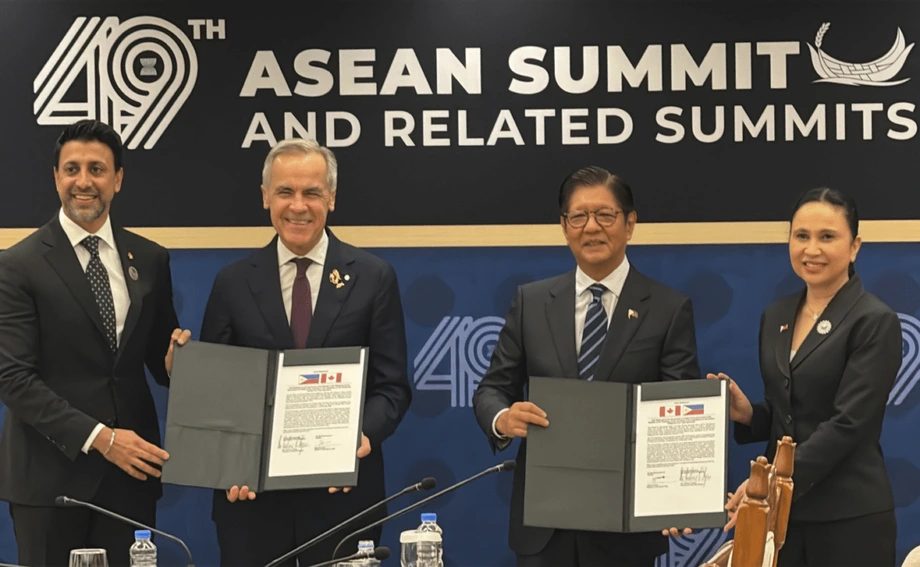
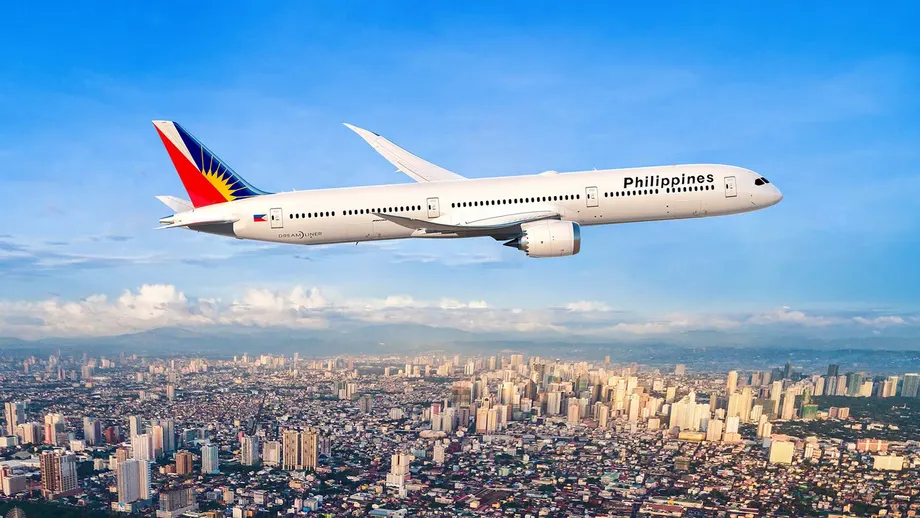
US President Donald Trump stated at a White House news conference on Friday that he personally convinced Philippine Airlines to purchase Boeing aircraft instead of expanding orders with European competitor Airbus. Speaking following his diplomatic visit to Asia, which included the ASEAN summit in Manila and meetings with Philippine President Ferdinand Marcos Jr., Trump asserted that airline officials were planning to finalize purchases in Europe before his intervention. The transaction involves a commitment for up to 20 Boeing 787 Dreamliner aircraft, powered by GE Aerospace GEnx-1B engines. According to US officials, the commercial package is valued at $12 billion and is projected to support up to 47,000 jobs in the United States, although financial analysts estimate the actual market value may be closer to $3.4 billion after standard industry discounts.
সূচিপত্র
The agreement covers 15 firm 787-10 aircraft alongside purchase rights for five additional planes, formalizing a memorandum of understanding initially signed at the Farnborough Airshow on July 20, 2026. The formal contract signing took place on November 10, 2026, ahead of the official announcement issued by the White House on Thursday, November 19, 2026. Despite the new Boeing commitment, the Asian carrier remains a major customer of Airbus, having firmed up a separate order just days prior for nine additional Airbus A350-1000s. Philippine Airlines currently operates a fleet heavily built around Airbus, consisting of more than 85 total aircraft that include around 65 Airbus models, ten Boeing 777s, and the remainder made up of De Havilland Dash 8 turboprops.
Airline Executives Explain Fleet Expansion Strategy
Lucio Tan III, president and chief operating officer of PAL Holdings, explained that the acquisition of widebody aircraft forms a central component of the carrier's long-term growth and fleet modernization strategy. Widebody aircraft are large passenger planes featuring two aisles, designed primarily for long-distance international routes across oceans. The Boeing 787-10 represents the largest variant in the Dreamliner family, typically accommodating between 300 and 375 passengers depending on the specific seating layout chosen by the airline. Company leadership noted that the aircraft type provides high fuel efficiency and advanced cabin technology suitable for expanding long-haul services.
Speaking on the operational motivations behind the acquisition, Lucio Tan III emphasized the practical benefits of the new equipment. PAL Holdings President and Chief Operating Officer Lucio Tan III said the acquisition would strengthen the airline's long-term growth strategy by increasing passenger capacity, improving fuel efficiency, and enhancing operational performance.
The Boeing 787-10 will play an important role in our plans to modernize and expand our fleet. Its advanced technology, greater passenger capacity and improved fuel efficiency will help us serve more passengers, improve our product offering and operate more efficiently.
Prior to selecting the 787-10, airline executives evaluated multiple widebody options to replace older equipment such as the Airbus A330-300 and Boeing 777-300ER models. PAL President Richard Nuttall noted during summer briefings that leadership favored larger aircraft capable of carrying heavier passenger loads and increased cargo volumes, which will support network expansion into North America. The newly ordered Boeing 787 aircraft are scheduled for delivery between 2031 and 2034, while the carrier's additional Airbus A350-1000 deliveries are slated to arrive between 2034 and 2036.
Broader US and Southeast Asian Commercial Agreements
The aircraft transaction formed the centerpiece of more than $17 billion in total commercial agreements and strategic investments announced by the White House following the regional summit in Manila. The diplomatic tour also yielded several major defense and infrastructure accords across Southeast Asia. Washington and Manila advanced plans to pursue more than $2 billion in US financing for Philippine military purchases, which includes $400 million in direct American support for operations in contested maritime zones. Additional bilateral projects include a $40 million fuel depot to be constructed by Subic Grain at Subic Bay and the modernization of Basco Airport in Batanes to improve military access and disaster response capabilities.
Other regional economies also established technology and trade partnerships with American corporations during the diplomatic mission. Thailand advanced plans to spend up to $123 million on US-made High Mobility Artillery Rocket Systems, known as HIMARS, potentially positioning the nation as the first in mainland Southeast Asia to acquire the mobile rocket launcher system. In Indonesia, Latitude Energy and the sovereign wealth fund Danantara engaged in negotiations regarding a $2 billion coal project utilizing American technology. The Navajo Transitional Energy Company finalized a three-year, $100 million agreement to supply coal to a subsidiary of Malaysia's national power utility, Tenaga Nasional Berhad.
Technology Investments and Regional Infrastructure
Digital infrastructure agreements formed another major component of the diplomatic package, particularly in Malaysia and Brunei. Brunei entity Unified National Networks announced plans to award a data center contract valued at nearly $1 billion to US-based technology firm Vertiv, utilizing components sourced from American vendors. Panasonic, headquartered in Japan, concluded a multiyear agreement worth up to $1 billion to purchase advanced silicon-carbon anode materials from American manufacturer Sila. In Malaysia, a corporate consortium of US companies will assist the government in developing a sovereign artificial intelligence cloud infrastructure project.
Malaysian Prime Minister Anwar Ibrahim and US officials confirmed that Washington will provide $50 million to support the sovereign cloud initiative, alongside a separate $63 million defense cloud initiative dedicated to the Philippines. These technology pacts illustrate an official push to expand American commercial influence in Southeast Asia amid shifting geopolitical dynamics. While regional aviation markets experience rapid expansion, Boeing's global commercial outlook highlights strong projected growth across developing regions, including an anticipated demand for nearly 1,200 new commercial airplanes across Africa over the next two decades to support rising passenger traffic.
Timeline of Key Developments
- July 20, 2026: Philippine Airlines signs a memorandum of understanding for Boeing 787 aircraft at the Farnborough Airshow.
- November 10, 2026: Philippine Airlines, Boeing, and GE Aerospace formalize the agreements for 15 firm 787-10 jets and five options.
- November 18, 2026: US President Donald Trump visits the Philippines for the ASEAN summit and state meetings.
- November 19, 2026: The White House officially announces the $12 billion aircraft purchase and broader regional trade agreements.
- November 20, 2026: President Trump details his discussions regarding the aircraft order during a White House news conference.
The Bottom Line
- Philippine Airlines finalized an agreement for up to 20 Boeing 787-10 Dreamliners powered by GE Aerospace engines.
- US President Donald Trump claimed credit for persuading the airline to choose Boeing over European manufacturer Airbus.
- The aircraft order formed the largest component of more than $17 billion in commercial deals announced during the Southeast Asian summit.
- The two nations also advanced over $2 billion in defense financing and infrastructure projects including military base upgrades.