
National Assembly Approves Landmark Legislation
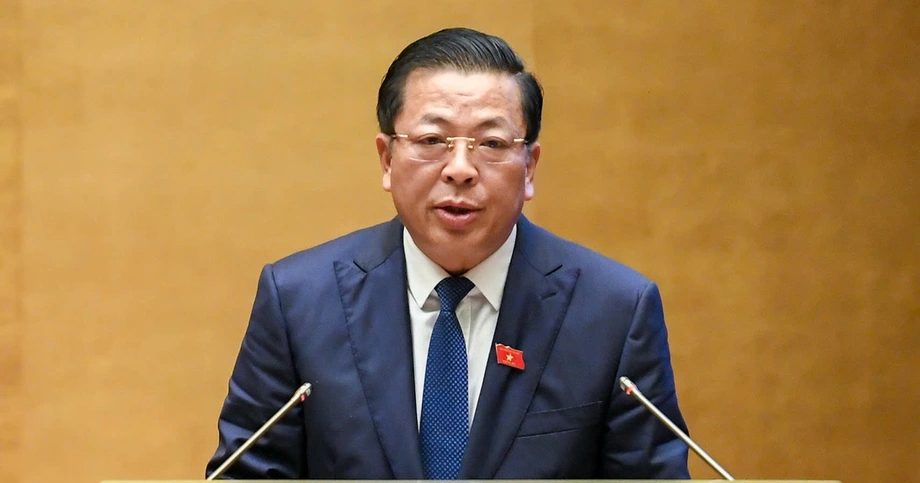
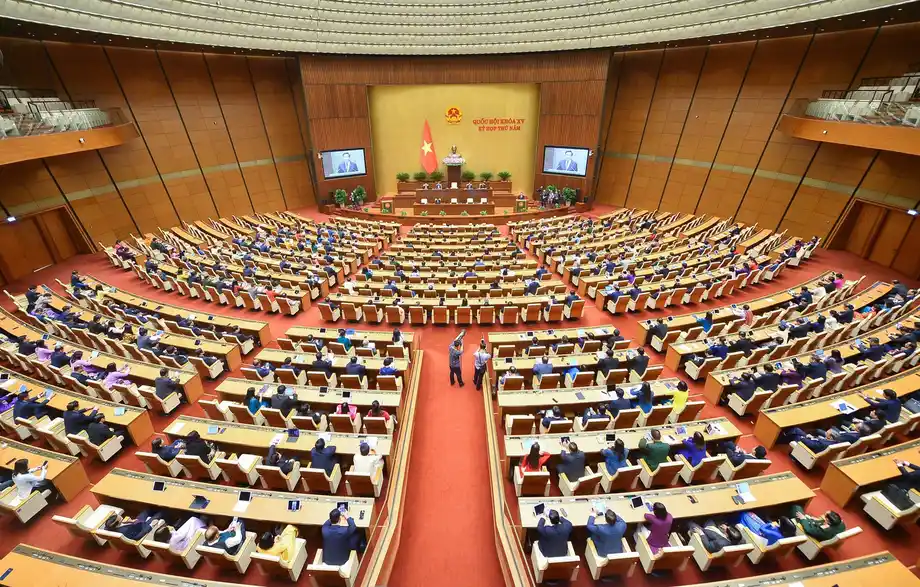
Vietnam took a major legislative step on the afternoon of November 21, 2026, when the National Assembly voted overwhelmingly to pass the revised Law on Bidding. Presided over by Vice Chairman Nguyen Khac Dinh, the legislative session saw 487 out of 489 delegates present vote in favor of the new rules. Lawmakers also passed a comprehensive State Budget Law on the same day, combining public investment and budget management into a single legal framework to eliminate red tape and speed up national development projects. These changes arrive as part of a broader push to modernize public administration, following the strategic orientations set forth by the Communist Party of Vietnam.
সূচিপত্র
- National Assembly Approves Landmark Legislation
- New Procurement Freedoms for Healthcare Providers
- Strict Safeguards Against Bid Rigging and Corruption
- Unified Budget Management and Faster Infrastructure Funding
- Key Dates and Implementation Timeline
- Financial Discipline and Accountability Measures
- The Essentials
The newly approved bidding legislation addresses long-standing bottlenecks in public procurement, particularly within the healthcare sector. Hospitals and medical centers have frequently struggled with rigid bureaucratic procedures when trying to secure essential medicines and diagnostic equipment. By granting medical facilities greater autonomy, the state aims to ensure a steady, reliable supply of treatments for patients while closing loopholes that previously allowed for corruption and inflated pricing.
New Procurement Freedoms for Healthcare Providers
Under the revised law, healthcare institutions gain the direct authority to manage their own procurement for specific medical needs. Hospitals can now independently purchase pharmaceuticals and medical devices meant for retail sale within in-house hospital pharmacies, as well as vaccines for voluntary immunization programs. This shift removes layers of administrative approval that previously delayed access to vital medical goods.
Furthermore, the legislation introduces flexible mechanisms for acquiring medical supplies and testing equipment. Facilities can choose to select contractors who provide chemical reagents and testing supplies while retaining ownership of the main diagnostic machinery through a usage-rights agreement. Another approved method allows hospitals to contract vendors based on the exact volume of technical services delivered, capping such service contracts at a maximum duration of five years. Commune-level health stations also receive new purchasing powers, allowing them to buy medicines and medical materials by piggybacking on existing, valid contract results established by larger public hospitals.
Strict Safeguards Against Bid Rigging and Corruption
While granting new autonomy, the legislation simultaneously introduces nine distinct categories of prohibited behavior designed to stamp out collusion and unfair practices. The rules explicitly outlaw attempts to fix bids, coerce participants into withdrawing applications, or have fully qualified contractors deliberately withhold supporting documents to throw a competition in favor of a pre-selected winner. Manipulating cost estimates right from the initial planning phase to inflate prices is now strictly forbidden.
To prevent conflicts of interest, the law bars any individual or organization from both preparing and appraising the same bidding documents. Consultants who help design a project or draft technical requirements are banned from bidding to execute that exact project. Violators face severe administrative penalties, including having their accounts locked on the National Bidding Network and being barred from participating in public tenders for a period ranging from six months to five years.
Unified Budget Management and Faster Infrastructure Funding
In tandem with the bidding reforms, the National Assembly passed a newly consolidated State Budget Law consisting of 11 chapters and 103 articles. This unified text replaces the older 2025 budget rules and the 2024 public investment guidelines, merging budget management and public investment into one cohesive legal document. The legislation outlines a national budget structure comprising central and local government budgets, with the central budget maintaining a leading role while granting regional authorities greater financial independence.
To help local governments fund local needs, the revised framework grants provincial authorities a larger share of land-related revenues. Localities that balance their own budgets keep 80 percent of land use and rental fees, while provinces receiving financial support from the central government retain 85 percent. For modern transit-oriented development projects, regional authorities capture 100 percent of new revenues generated by local railways and share a 50-50 split with the central government on national railway projects.
Key Dates and Implementation Timeline
The implementation of the newly passed laws follows a structured schedule to give government agencies and medical institutions time to prepare for the administrative transition.
- October 17, 2026: The second session of the National Assembly opens in Hanoi to discuss major legislative reforms.
- November 21, 2026: The National Assembly officially passes both the revised Law on Bidding and the consolidated State Budget Law.
- March 1, 2027: The revised Law on Bidding enters into legal force across the country.
- July 1, 2027: Specific provisions allowing commune health stations to utilize existing public hospital tender results take effect.
These phased implementation dates ensure that regulatory bodies can draft detailed enforcement decrees and set up the necessary digital monitoring tools on the National Bidding Network before the rules become legally binding.
Financial Discipline and Accountability Measures
Alongside greater administrative flexibility, the updated legal framework imposes rigorous timelines to prevent project delays and curb wasteful spending. Public infrastructure projects face strict capital allocation caps, with implementation limited to a maximum of six years for Group A projects, four years for Group B projects, and three years for Group C projects. The law strictly prohibits forcing contractors or organizations to self-finance projects before formal investment decisions are made, a practice that historically led to massive debts in basic construction.
Minister of Finance Ngo Van Tuan explained during parliamentary sessions that these controls are necessary to shift administrative focus away from redundant paperwork and toward actual project delivery and quality outcomes. By combining strict liability for public officials with transparent oversight of bidding data, the government intends to protect public funds while maintaining steady economic growth.
The Essentials
- The National Assembly passed the revised Law on Bidding and the State Budget Law on November 21, 2026, with 487 out of 489 delegates voting in favor.
- Hospitals gain the right to independently purchase retail pharmaceuticals, in-house pharmacy supplies, and voluntary vaccination products.
- Commune health stations can leverage active procurement contracts from major public hospitals starting July 1, 2027.
- The law introduces nine strict categories of prohibited conduct, including bid rigging, artificially inflating cost estimates, and creating conflicts of interest.
- Convicted violators face national bidding bans ranging from six months to five years and account lockouts on public procurement portals.